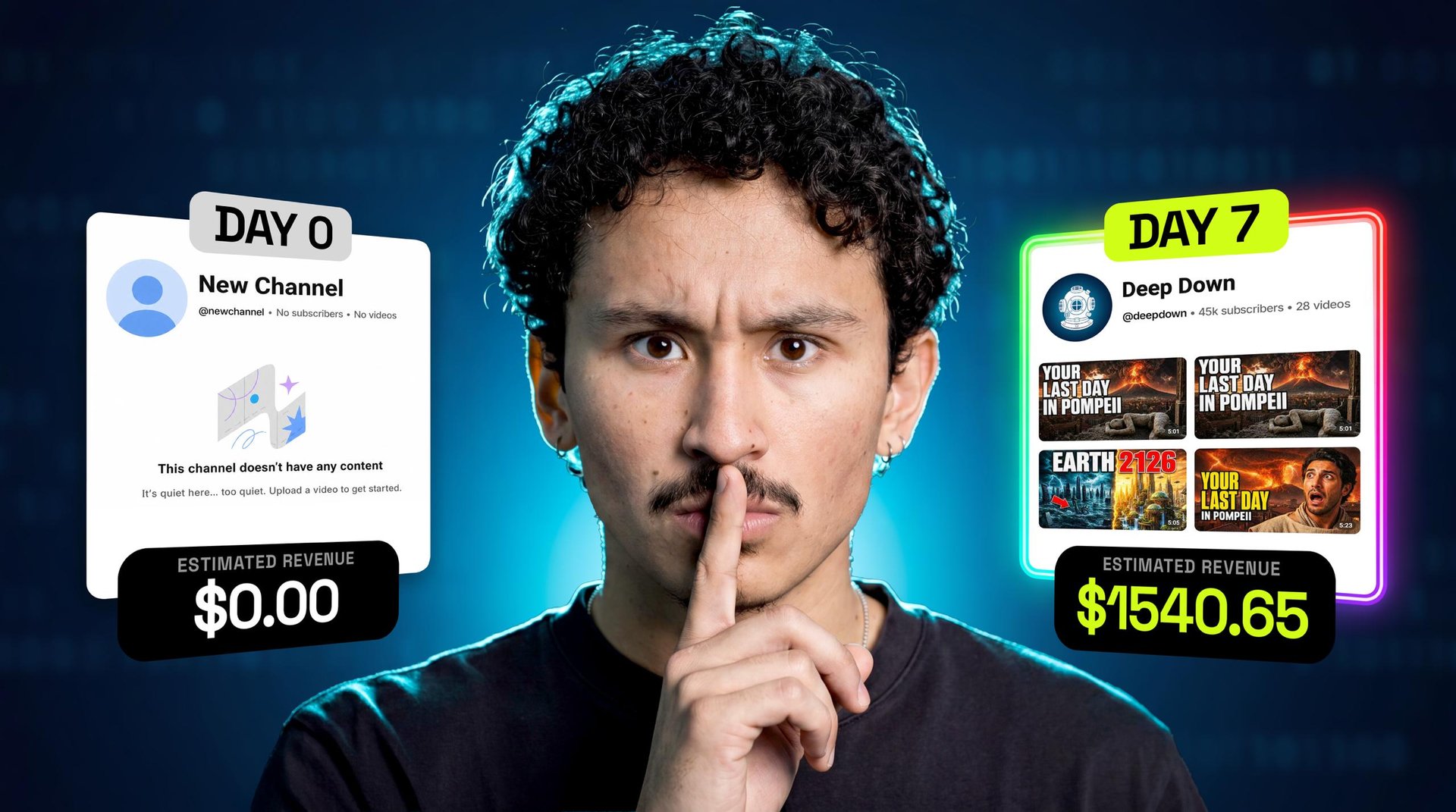
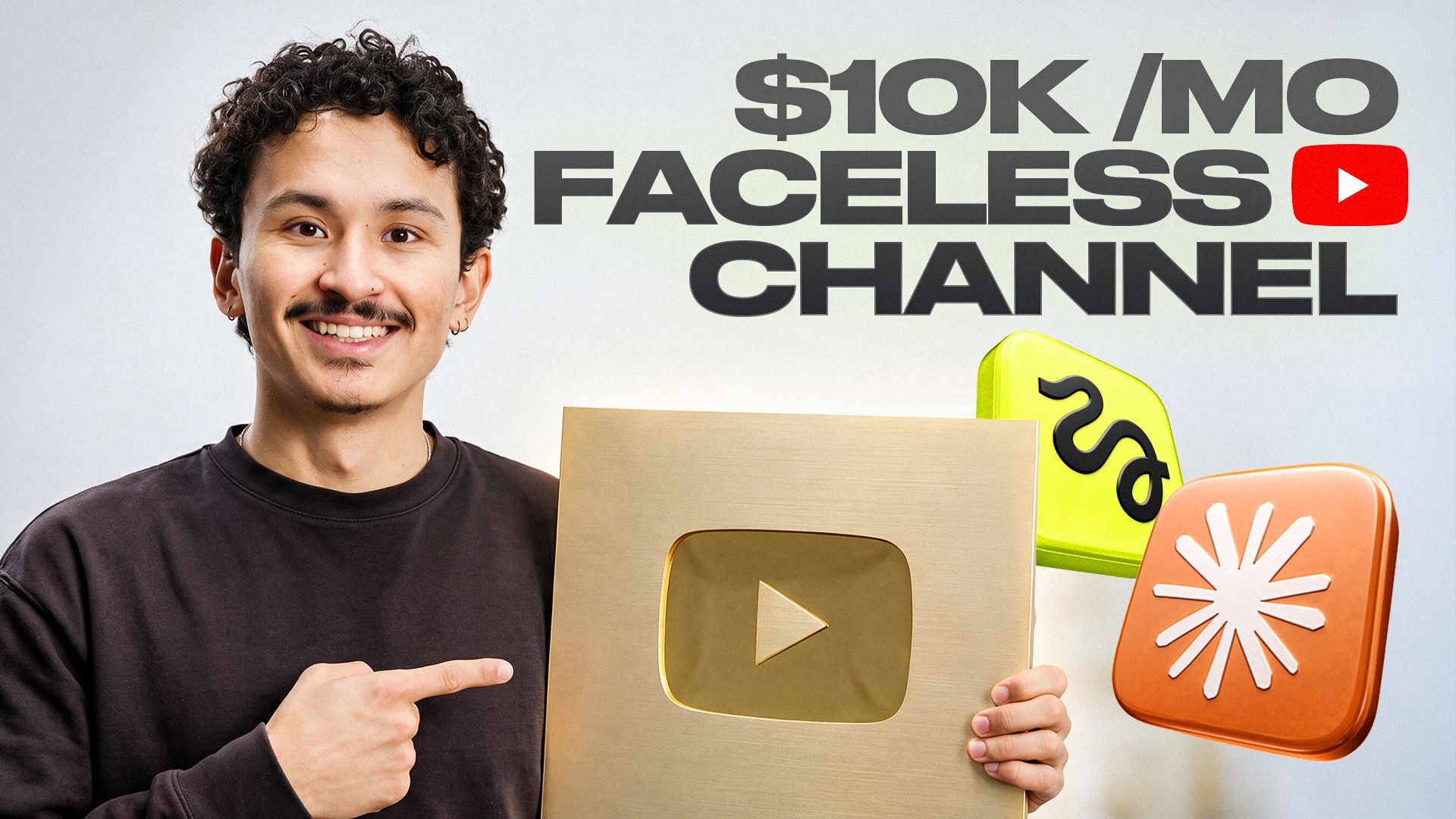
Recreate a $10,000/Month Faceless YouTube Channel With One Prompt
Most people who want a faceless YouTube channel never post a single video. Not because the idea is bad โ because scripts, narration, and editing were a full production pipeline.
The format itself is proven: faceless, ten-minute explainers pull millions of views on repeat, and it hasn't changed in years โ because it works.
That pipeline now runs from one chat. Below is the exact workflow โ every prompt copyable, the skill file included โ that turns one sentence into a ten-minute video, a Spanish version, thumbnails, twenty shorts, and a 30-day plan.
Why explainer videos
Educational content sits in one of YouTube's highest-RPM niches โ RPM being what YouTube pays per 1,000 views. VidIQ pegs channels running this exact format at 10,000 a month, and that's AdSense alone โ channels that size stack brand deals on top.
What you need
Two tools, one skill. Claude is the brain: it researches, picks the topic, writes the script, plans the month. Higgsfield is what actually makes the video โ the visuals, the narration, the edit. The higgsfield-explainer skill wires them together so the whole system runs from one prompt.
higgsfield-explainer.skillapplication/zip
Step 1: Connect Higgsfield to Claude
Go to higgsfield.ai and copy the MCP link. In Claude, open Settings โ Connectors โ Add, name it, paste https://mcp.higgsfield.ai/mcp, hit Connect. Then install the skill the same way. Everything else happens inside one chat.
Step 2: Let Claude pick the topic
Don't brainstorm โ ask:
What's actually working in explainer videos right now?
The skill researches topics on the live web, scores them, and picks one with a one-line reason.
One rule: pick one niche and stay in it. Every upload in the same lane sharpens the algorithm's targeting; mixing niches resets it to zero.
Step 3: The script does the heavy lifting
The prompts carry the visuals; the script carries the meaning that saves a video from being beautiful nonsense. It's also what protects monetization โ more below.
The skill writes it retention-first: the hook opens on the payoff, not backstory; the video is structured in chapters that each set up the next; and every minute or so it plants an open loop โ a trick professional scriptwriters get paid for. In testing, Fable 5 writes the strongest scripts and prompts, which shows up directly in views.
Step 4: Render the full video
The skill asks one question โ how long? It recommends 10 minutes: YouTube pushes videos that accumulate watch time, and a longer video earns more minutes, as long as it stays interesting. Confirm, and Higgsfield builds the entire production โ visuals, narration, edit.
The result clears AI video's oldest wall โ consistency: around a hundred scenes in one style, start to finish.
Step 5: Translate it โ in your own voice
Most people online don't speak English first; translating is how you reach them. One line re-renders the film in another language:
Then clone your voice โ about a minute. On higgsfield.ai, open Audio โ Voice Presets โ Create a custom voice, record yourself reading the sample script, and upload. Every video now ships in a voice nobody else on YouTube has โ one more signal it could only have come from you.
Step 6: Package it
Packaging decides whether anyone clicks. In the same chat:
Back come 3 title options and 3 thumbnails. Judge them with two rules: one focal point readable at phone size, and a title that opens a question the thumbnail deliberately doesn't answer โ that gap is the click.
Back come about twenty shorts โ cut, captioned, ready to post, zero frames edited by hand. Post the same batch to YouTube Shorts, Reels, and TikTok. A ten-minute video asks viewers for a decision; a short never asks โ it just shows up mid-scroll. And every clip points back to one channel.
Step 8: Plan the month โ then run it in parallel
Plan my first 30 days: eight long videos, topics ranked by search volume.
Both render in parallel while you publish the first โ output that used to take a production team.
The growth math
Full monetization needs 1,000 subscribers and 4,000 watch hours. That sounds scarier than it is: ten-minute videos watched about 4 minutes on average reach 4,000 hours at roughly 60,000 views โ not per video, but across everything you post, combined.
The honest catch: the system builds the videos โ it doesn't skip that bar. So post on a schedule you can actually keep โ two long videos a week, shorts every day, same days and times โ your audience and the recommendation system both learn it. Then watch one number: average view duration. Where people drop off is the script note for your next video โ and where you find out if the open loops worked.
"Won't YouTube demonetize AI content?"
A common myth โ and it's false.
YouTube doesn't demonetize or block AI content automatically.
It flags content that is spam or unoriginal โ "inauthentic" โ whether it's AI-made or not.
A well-written original script, in your own cloned voice, keeps a channel clear of that line โ and monetization running.
Every video from this run
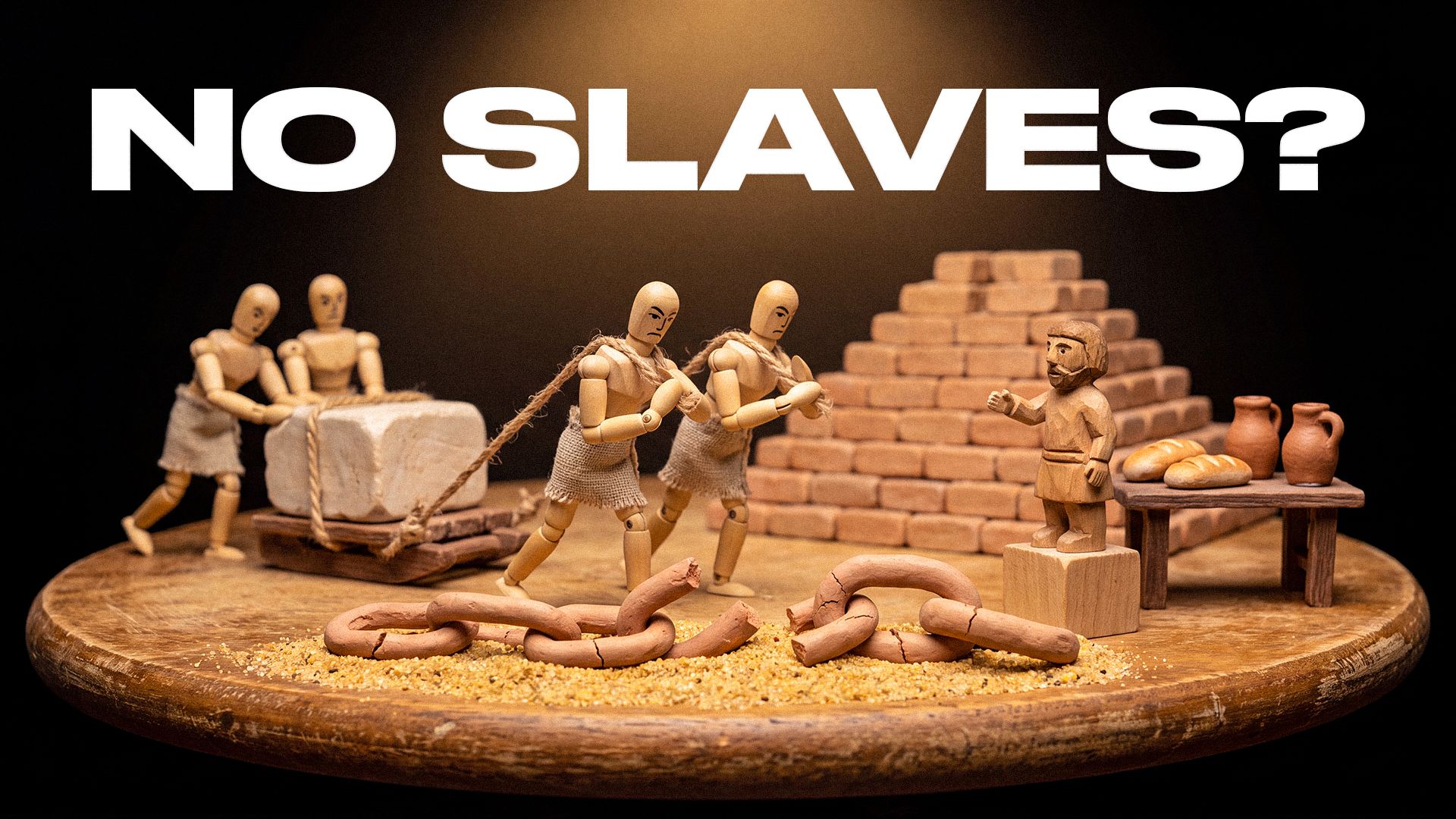
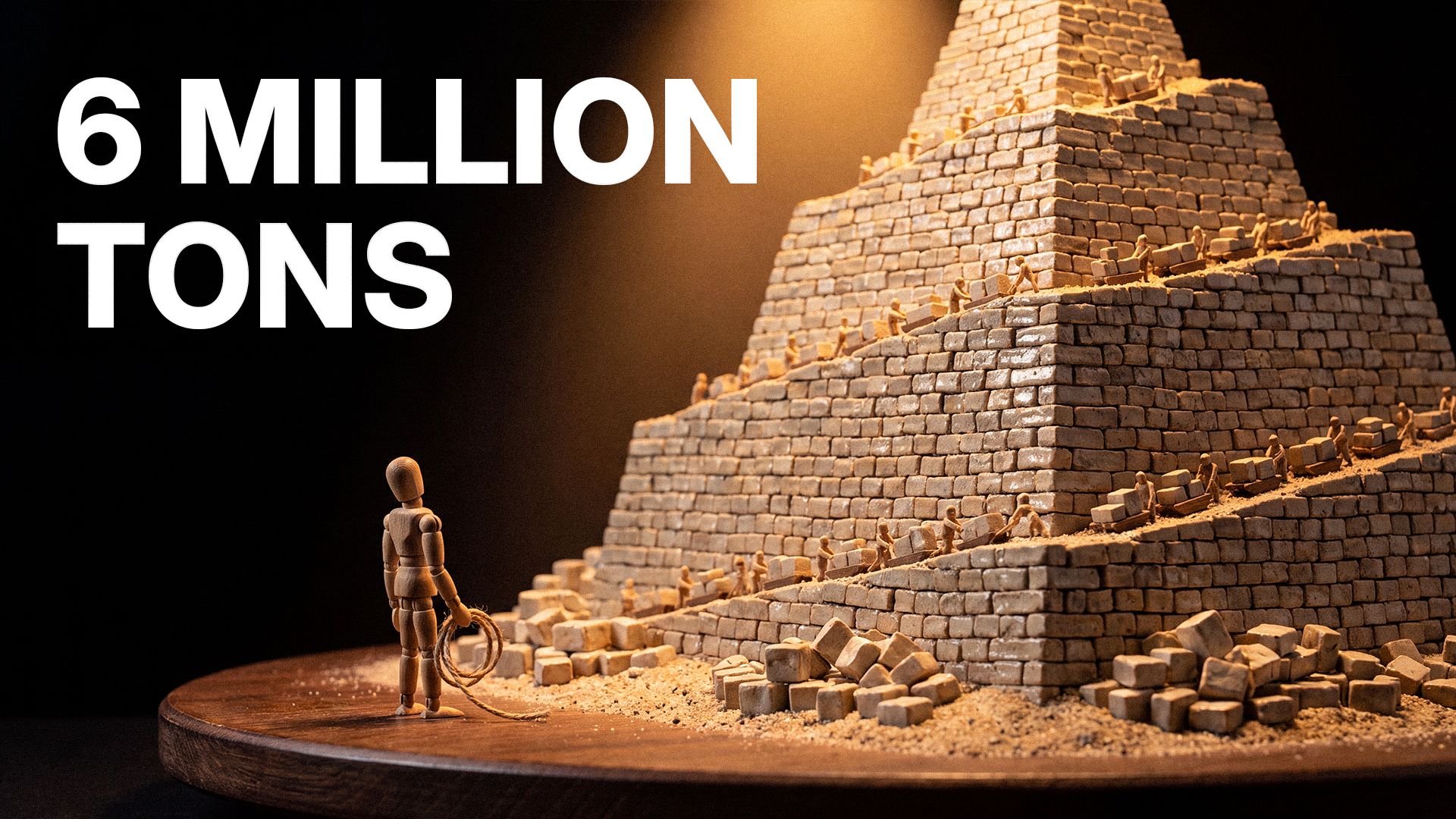
Everything the run produced, unedited. Judge it yourself.
Your move
Connect the MCP, install the skill, and type one sentence about a topic you'd binge at 2 a.m. When the render finishes, ask for your twenty shorts in the same chat.
Your Turn To Publish. Start With One Sentence โ The Workflow Does The Rest